
Practical tarot guide
What to ask tarot cards
Ask about something you can explore or influence: your choices, assumptions, needs or next step. A useful tarot question gives the cards a clear context while leaving room for more than a yes-or-no answer.
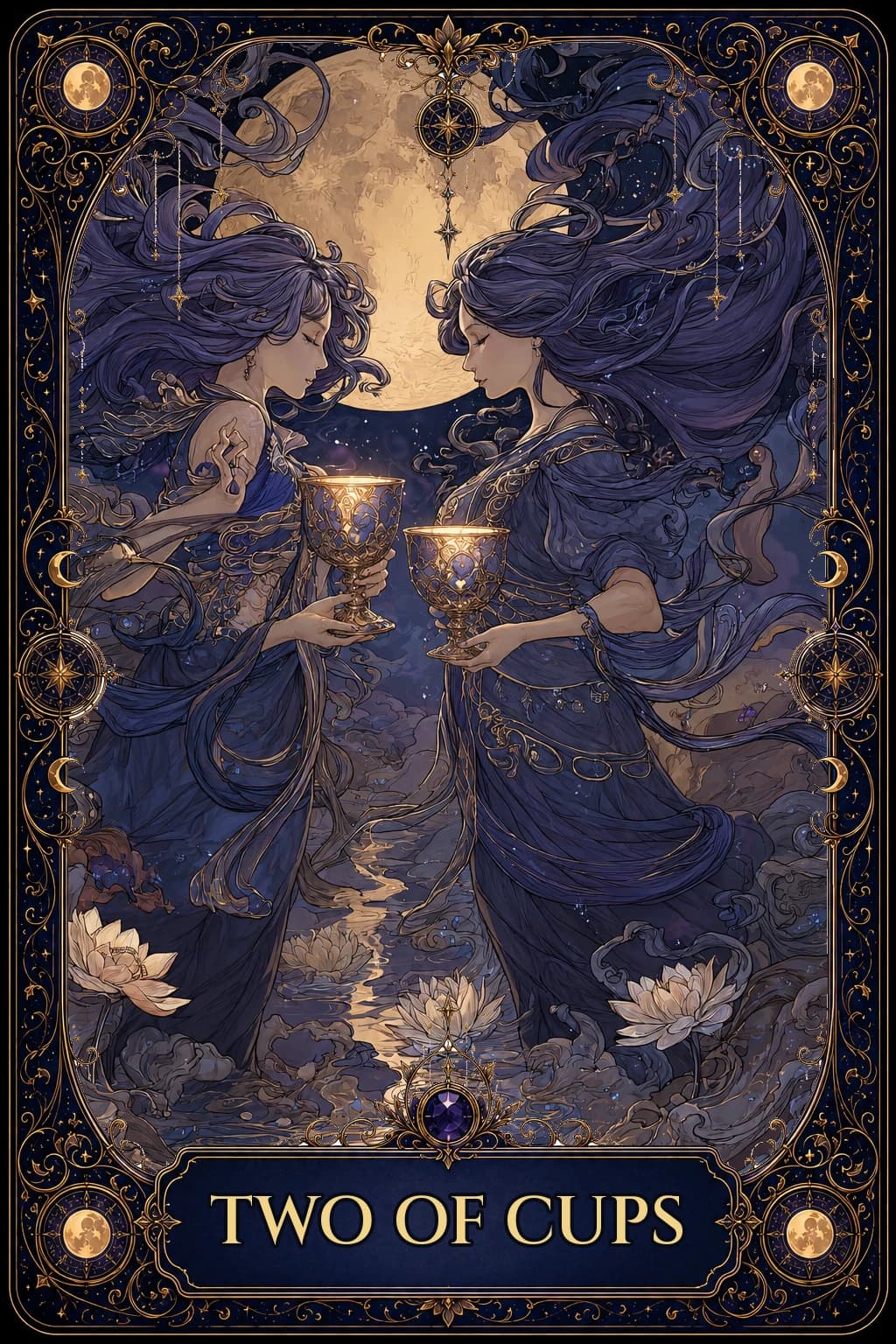
Arcana Noctis base deck
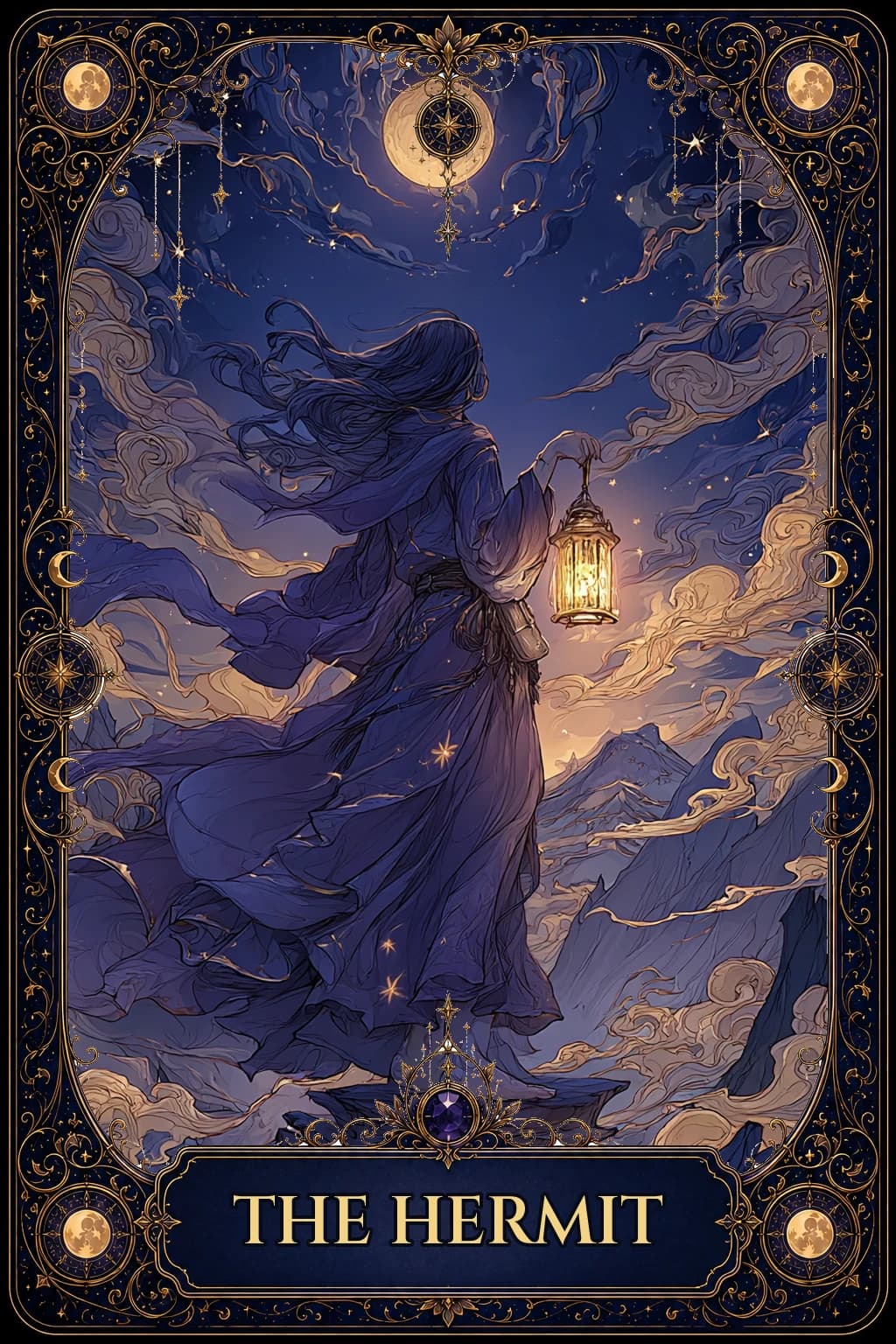
Arcana Noctis base deck
Build a question you can use
Start with what, how or what do I need to consider. Name one situation and, where useful, a time frame. Then check whether the question gives you something to reflect on without claiming certainty about events or other people.
‘What does my life mean?’ may be too broad for one pull. ‘What part of my work deserves attention this week?’ gives you a situation and a manageable horizon. ‘Will everything work out?’ can become ‘What could I do to prepare for this change?’
Keep a question and your first interpretation together in a journal. Later, note what was useful and what did not fit. That record is more informative than repeatedly drawing until a reassuring card appears.
Questions to adapt to your situation
Relationships and boundaries
- What could help me express a need clearly in this relationship?
- Where might I be assuming something I have not asked about?
- What boundary would allow me to show up more honestly?
Work and creative projects
- What part of this project needs practice, and what needs a first attempt?
- What trade-off should I consider before choosing between these approaches?
- How could I use the resources already available to me?
Change and everyday reflection
- What am I ready to leave behind, and what still needs care?
- What would a manageable next step look like this week?
- Where am I confusing rest with avoidance, or effort with progress?
These are invitations to reflect. If an interpretation does not fit the facts of your situation, you can set it aside.
Worked example: turn reassurance into a conversation
Imagine asking ‘Does my friend secretly dislike me?’ The cards cannot verify your friend’s private feelings. A more useful question is ‘How can I approach the distance I am feeling in this friendship?’
Suppose the chosen example card is the Two of Cups. Read as mutual attention, it could invite a conversation in which both people have room to respond. It is not proof that the friendship is healthy, nor that the other person feels the same way.
A practical interpretation might be: ‘I could name the change I have noticed and ask how they have been, instead of deciding what their silence means.’ A next step might be a short, pressure-free invitation to talk.
If the example card were The Hermit, the emphasis might shift toward taking time to understand your own needs before speaking. The question stays the same; the card offers another angle, not a competing verdict.
Match the question to the spread
A single-card question works well when you want one focus: ‘What quality would help me approach this conversation?’ For a more layered question, a three-card spread can separate the situation, the challenge and a helpful response.
You can also start with an image. The water symbolism guide uses the idea of a container to explore feelings and boundaries. Ask what the image helps you notice, then check the impression against your own experience. You do not need to believe that a symbol carries one universal message.